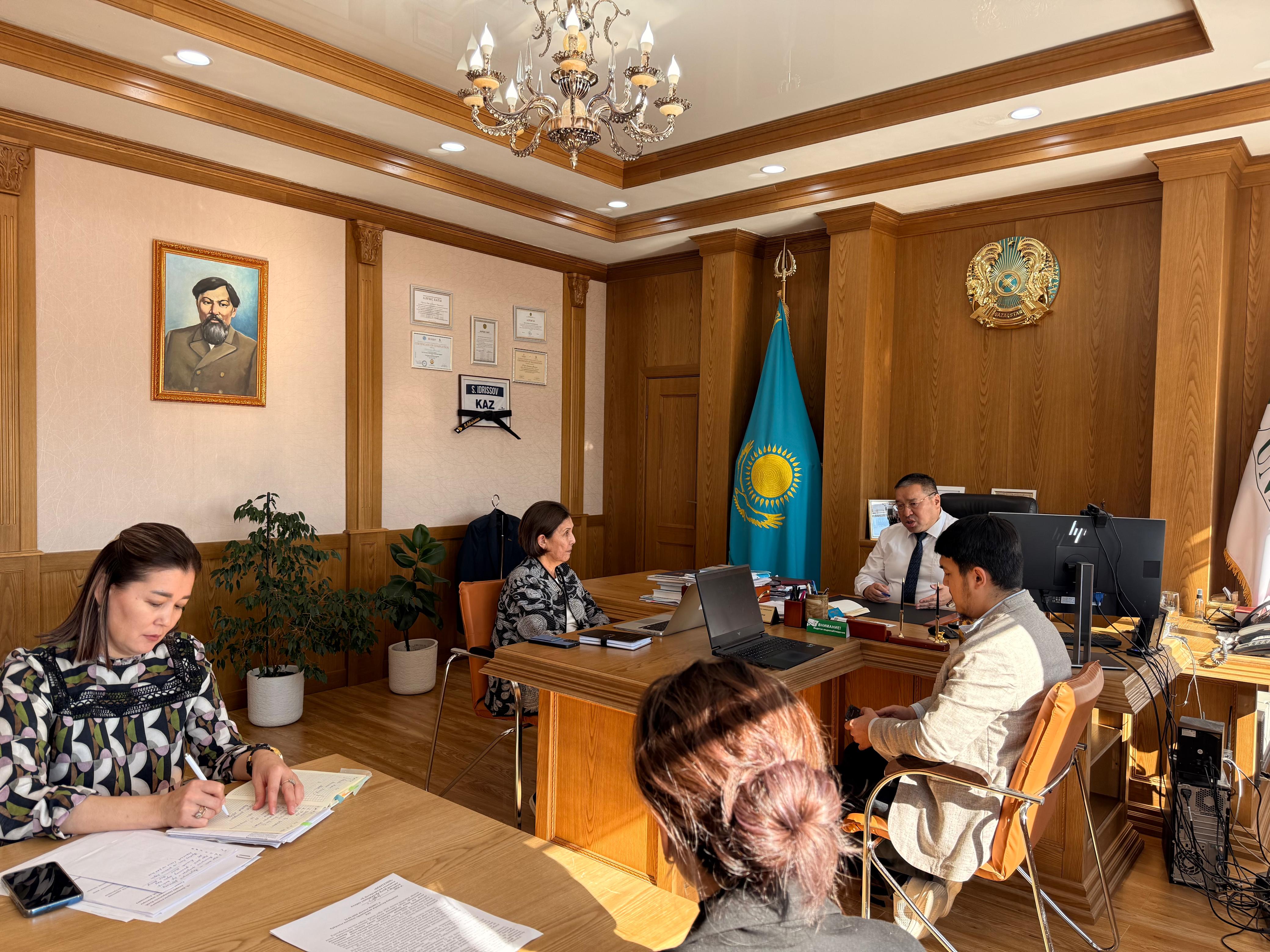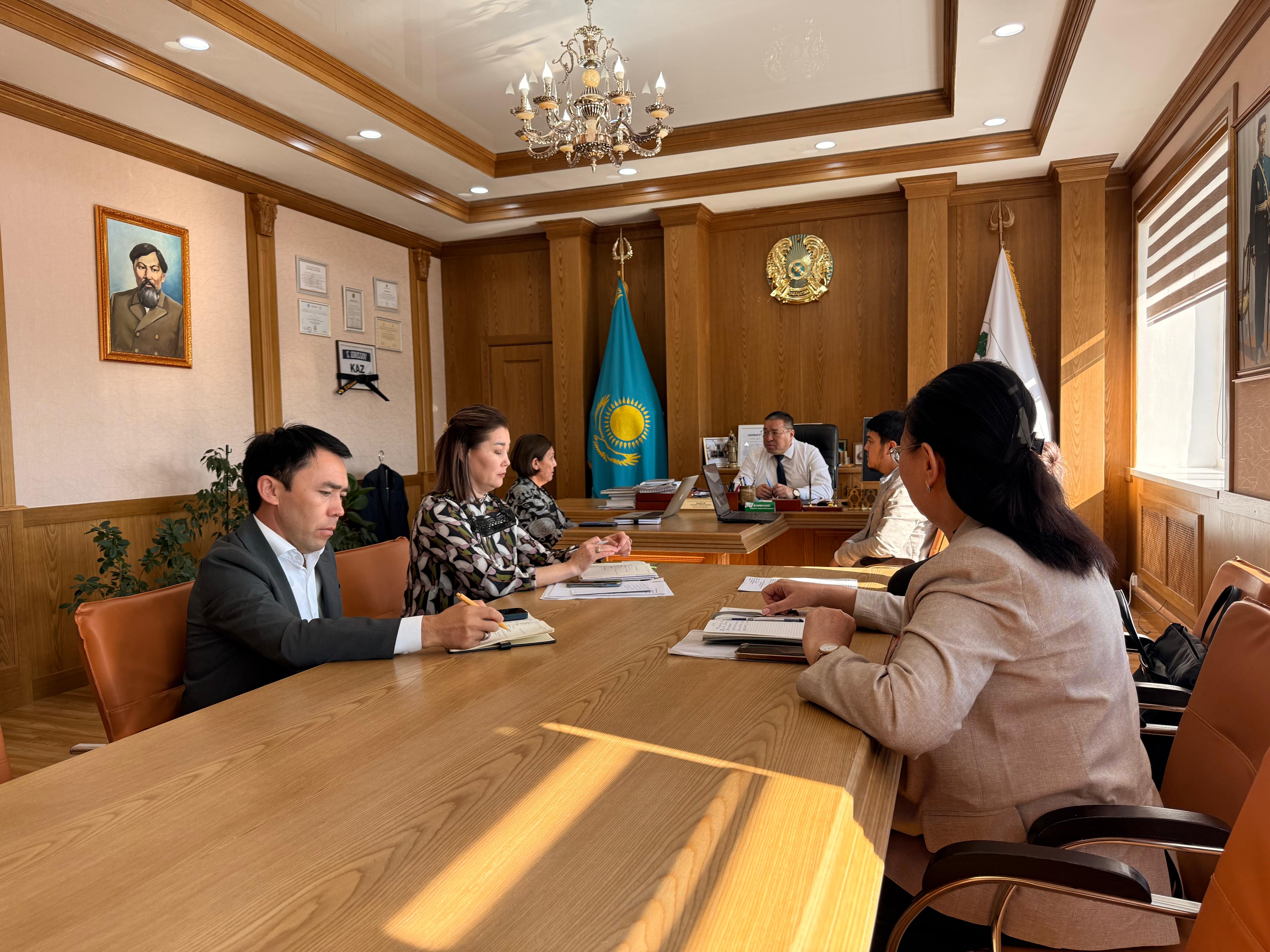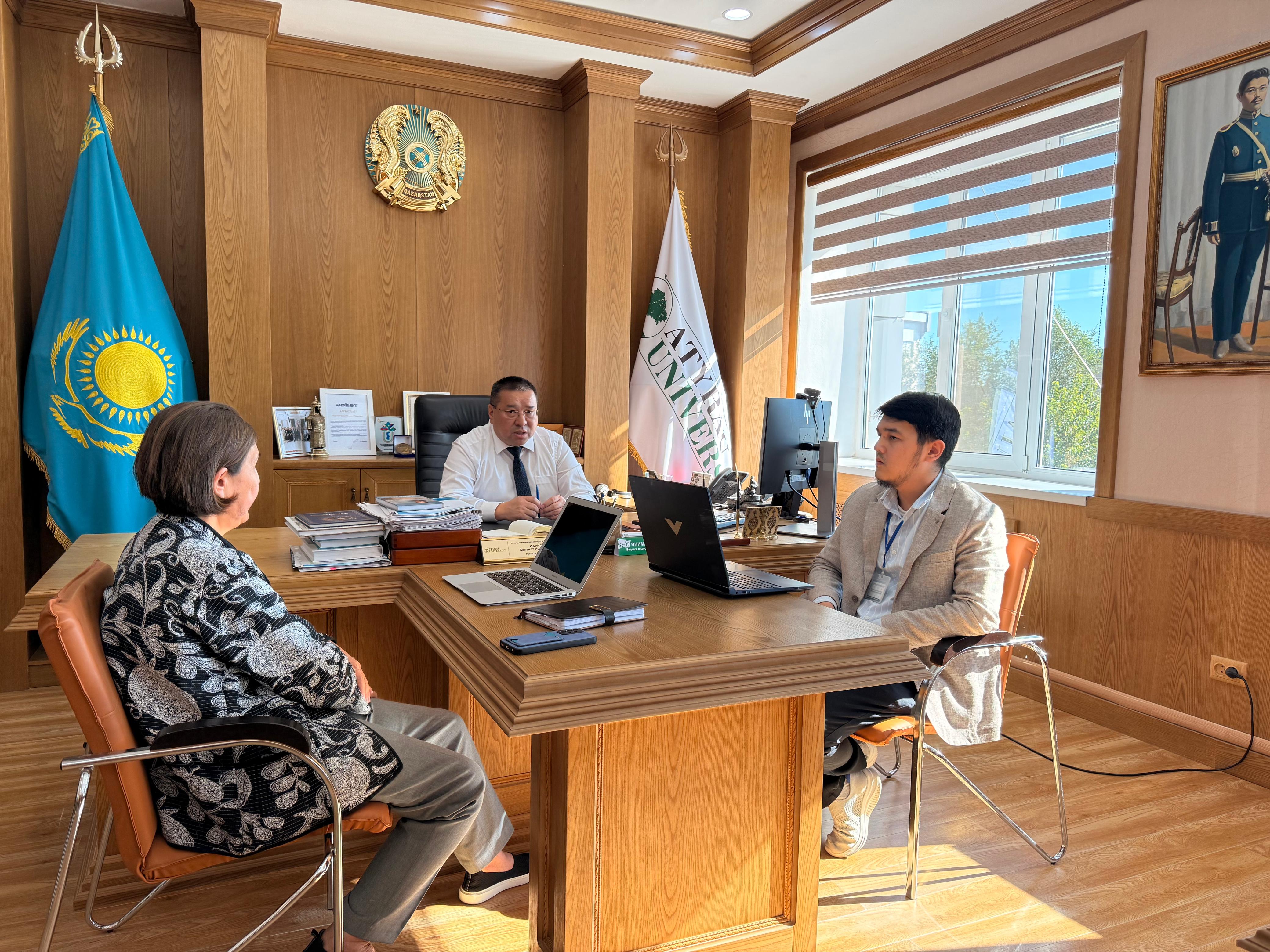
A comprehensive psychological study aimed at preventing juvenile delinquency and suicidal behaviour is being conducted in Atyrau.
The project “Comprehensive Psychological Analysis to Prevent Juvenile Delinquency and Identify the Causes of Suicidal Behaviour” is being implemented at the initiative of the Atyrau City Prosecutor’s Office and with the support of Kh. Dosmukhamedov Atyrau University. The project aims to identify factors contributing to delinquency and suicidal behaviour and to develop a scientific basis for preventive measures.
In September 2026, the empirical stage of the study continued. Data collection related to the work of psychological services during the 2025–2026 academic year was completed, and two analytical models were developed based on the collected data.
The first model is designed to assess the quality of completion of documentation forms at each educational institution by individual sections. It identifies responses to questions, incomplete sections and areas limited to qualitative descriptions.
The second model provides a quantitative and qualitative analysis of the reasons why students seek assistance from educational psychologists, as well as risk factors, by age group and educational institution. Definitions and theoretical foundations for each factor were provided, while causal relationships and percentage indicators were identified.
The research involves 10 educational institutions in Atyrau, including seven general education schools and three colleges. As part of the study, data concerning more than 14,000 adolescents and young people are being analysed, along with the results of diagnostic, preventive and psychological support activities conducted by educational psychologists.
The main objective of the study is to comprehensively examine psychological, social and behavioural factors that may contribute to juvenile delinquency and increase the risk of suicidal behaviour among adolescents. The project also aims to develop research-based practical approaches for early identification of risks, improving psychological support and increasing the effectiveness of preventive measures.
The study examines students’ psychological characteristics and emotional state, social environment, personal and behavioural factors, as well as the organisation of preventive work within educational institutions.
Preliminary analysis showed that data concerning 12,755 students had been processed, with 1,480 cases of seeking assistance from educational psychologists recorded. The reasons for seeking assistance included stress related to academic workload and examinations. An unfavourable family environment and signs of crisis behaviour were also identified as risk factors.
Based on a comprehensive analysis of the collected data, methodological and practical recommendations will be developed to improve a scientifically grounded system for the early identification and prevention of risks among minors.
The findings of the study will help educational psychologists systematise preventive work, improve algorithms for working with students at risk, and contribute to ensuring the psychological safety of minors.
The project is an important research and practical initiative that strengthens cooperation among law enforcement agencies, educational institutions and the academic community in the field of psychology. Within the framework of the project, priority is given not only to addressing the consequences of the problem but also to systematically identifying and addressing its underlying causes.
Department of Science